Avery Lund covers the tooling behind B2B outbound after ten years in revenue operations: deliverability, sending infrastructure, buyer signals, and the data behind a sales sequence. Every review names what a tool measures, what it only infers, and where it stops being useful.
Comparing apollo io alternatives? Map each tool to the job it replaces: data, enrichment, sequencing, or intent signals. Pricing and contract risk included.
Compare the top lemlist alternatives by billing model, multichannel support, contact data, and deliverability controls. Which platform fits your outbound stack?
Six clay alternatives compared for RevOps teams: what each measures, what it infers, and what it costs. Apollo, ZoomInfo, Cognism, Lusha, UpLead vs Clay.
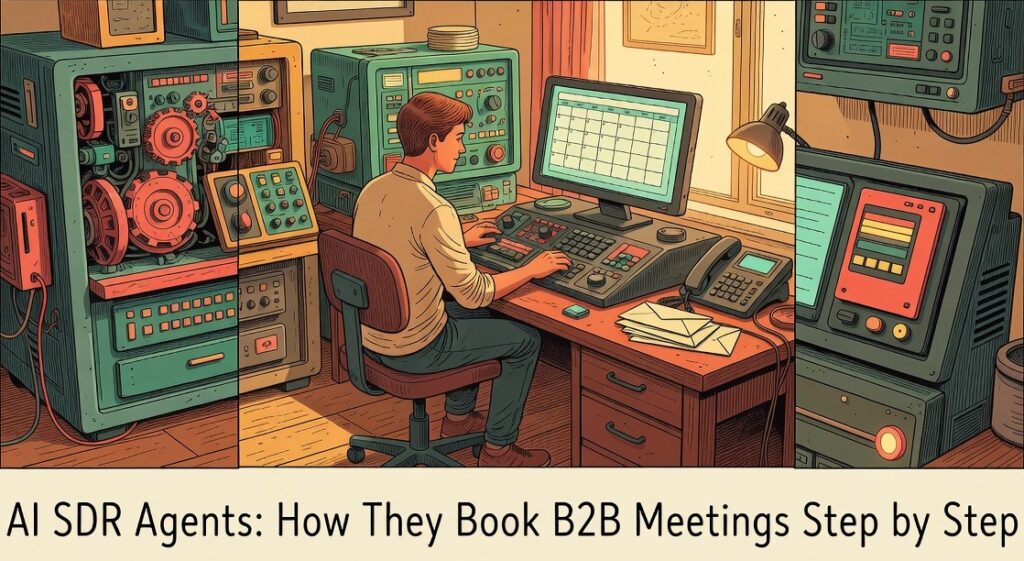
An AI sales assistant keeps humans in the send loop; an AI SDR acts autonomously. This guide explains which model fits your team and what controls you need.
An AI sales agent runs at one of five autonomy levels. Learn which guardrails, approval gates, and compliance controls must exist before autonomous sending begins.
How ai lead scoring works: what models measure, what they infer, and what they cannot see. Signal types, data requirements, and RevOps validation for B2B teams.
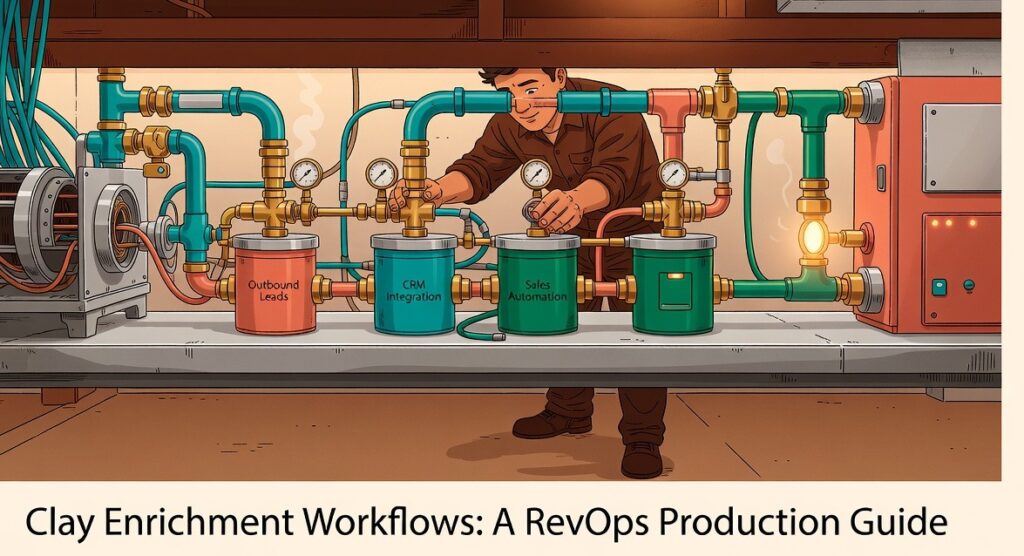
Clay enrichment chains data providers inside a Clay table to fill sparse lead records. Learn waterfall design, Clay Functions, Raw/Enriched/Verified structure and CRM sync for RevOps.